MEG for epilepsy surgery: From dipoles to connectivity
One of the main clinical applications of magnetoencephalography (MEG) is localizing epileptic foci for planning invasive recordings and epilepsy surgery. A large body of evidence shows that including such MEG localizations in the resection leads to significantly better long-term postoperative seizure control. However, for patients with insufficient interictal epileptic discharges (IEDs), the diagnostic value of MEG based on conventional methods (i.e., dipole localization of IEDs) remains limited. Measures of resting-state connectivity may provide an alternative approach. This presentation will summarize the current evidence on the value of MEG in the preoperative evaluation of epilepsy surgery and present the results of our study of 1,000 patients over 28 years. Additionally, novel approaches to localizing the epileptic network will be discussed based on recent studies on network analysis compared to invasive recordings and epilepsy surgery.
Biography
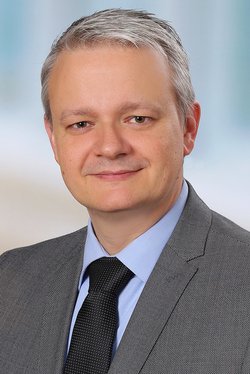
PD Dr. med. Stefan Rampp is currently chairman of the MEG Laboratory, Department of Neurosurgery, and a scientist at the Department of Neuroradiology, University Hospital Erlangen, Germany. His research covers various topics such as MEG, surface and invasive EEG, as well as MRI analysis and post-processing for epileptic focus localization, functional mapping and neurocognitive research. Other areas of interest include intraoperative monitoring, biosignal analysis and software development. He was elected as president of the International Society for the Advancement of Clinical MEG (ISACM). He is the outgoing chair of the EEG task force and a member of the MEG task force of the ILAE Commission of Diagnostic Methods. He is also a member of the ILAE Big Data Commission and a tutor of the EEG VIREPA course.